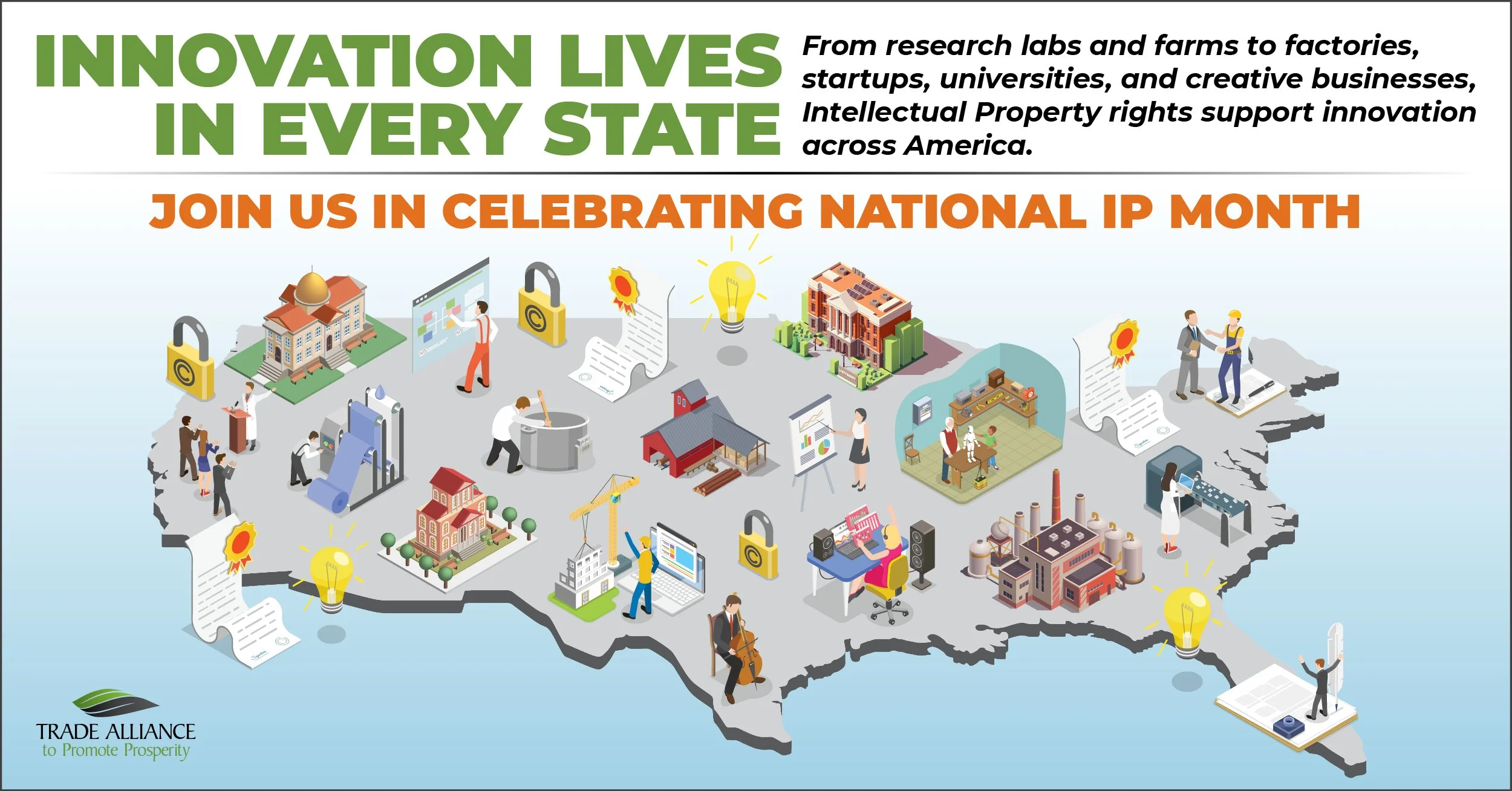
This National IP Month, Let’s Make the Patent System Work for Inventors
October is National Intellectual Property Month—a time to celebrate the inventors, entrepreneurs, researchers, and creators whose ideas drive American innovation and economic opportunity. Celebrating intellectual property also means ensuring our patent system actually protects the innovators.
One important place to start is reforming practices at the U.S. Patent and Trademark Office’s Patent Trial and Appeal Board (PTAB).
Congress created inter partes review (IPR) proceedings at PTAB as a faster, less expensive way to resolve legitimate questions about patent validity. Instead, the process can subject patent owners to repeated and duplicative challenges. More than half of IPR petitions are repeat challenges, while more than 80 percent duplicate ongoing litigation.
This can create a significant disadvantage for individual inventors, startups, and small businesses. Large corporations and foreign entities may have the financial resources to pursue repeated challenges. A small inventor may lack the resources to defend the same patent again and again.
That is not how a strong intellectual property system should work.
PTAB proceedings should move toward a “one bite at the apple” approach. Legitimate patent challenges deserve a fair hearing, but the system should not allow repeated proceedings to become a strategy for financially exhausting patent owners.
The stakes extend far beyond individual patents. IP-intensive industries account for approximately 41 percent of U.S. economic activity and support more than 47 million American jobs. Strong and predictable patent rights help entrepreneurs attract investment, commercialize inventions, and compete against much larger companies.
This National IP Month, we should celebrate American ingenuity by strengthening the institutions that protect it.
Congress should reform PTAB to prevent serial and duplicative patent challenges and thereby send a clear message: In America, innovation—not the size of your legal budget—should determine who succeeds.