TAPP Offers Editorial Cartoons on Drug Pricing
The Trade Alliance to Promote Prosperity has created several editorial cartoons for newspapers, social media influencers, and bloggers to use when discussing drug pricing policies, specifically to educate about the perils of importing statist pricing policies.
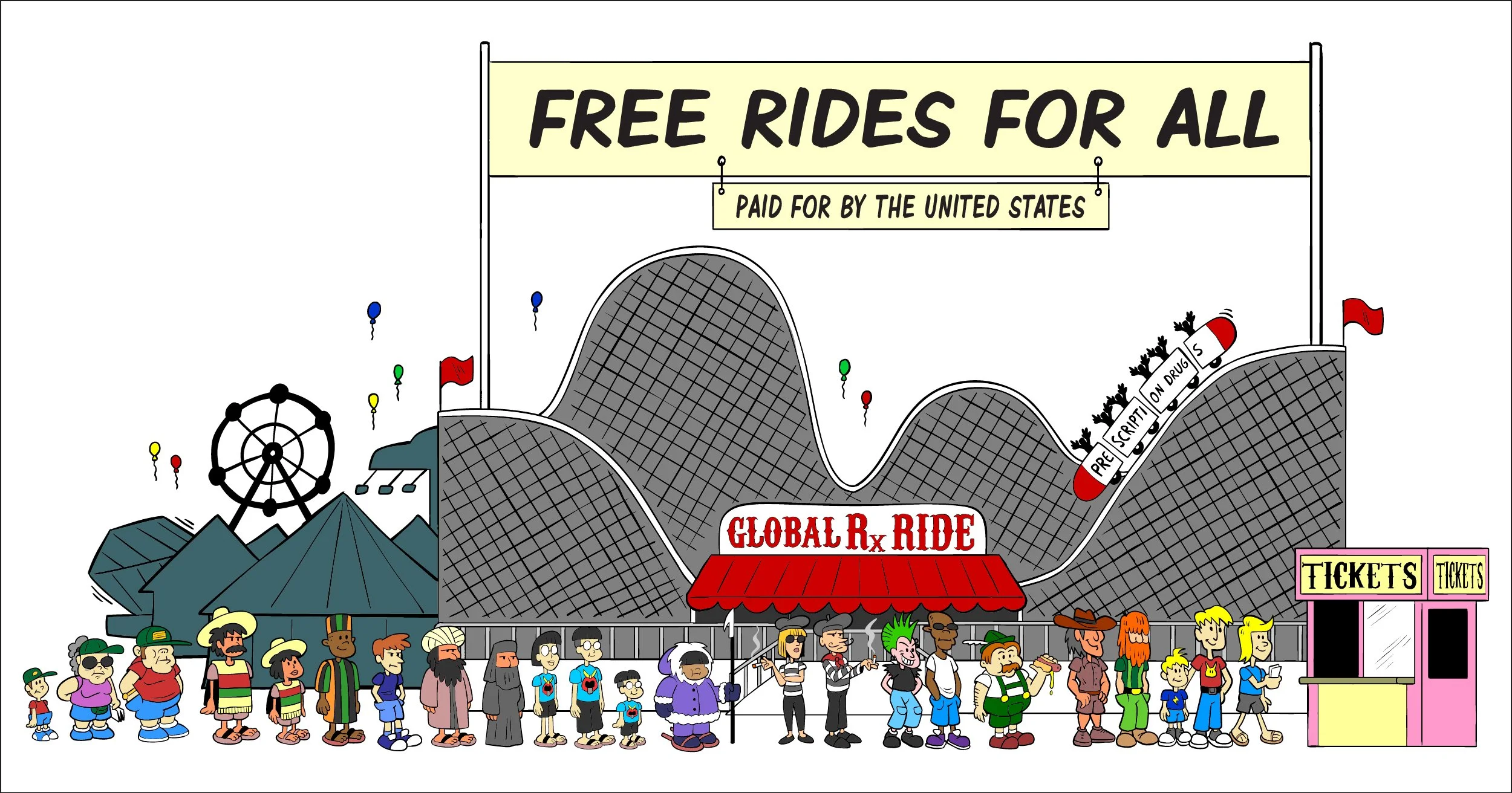
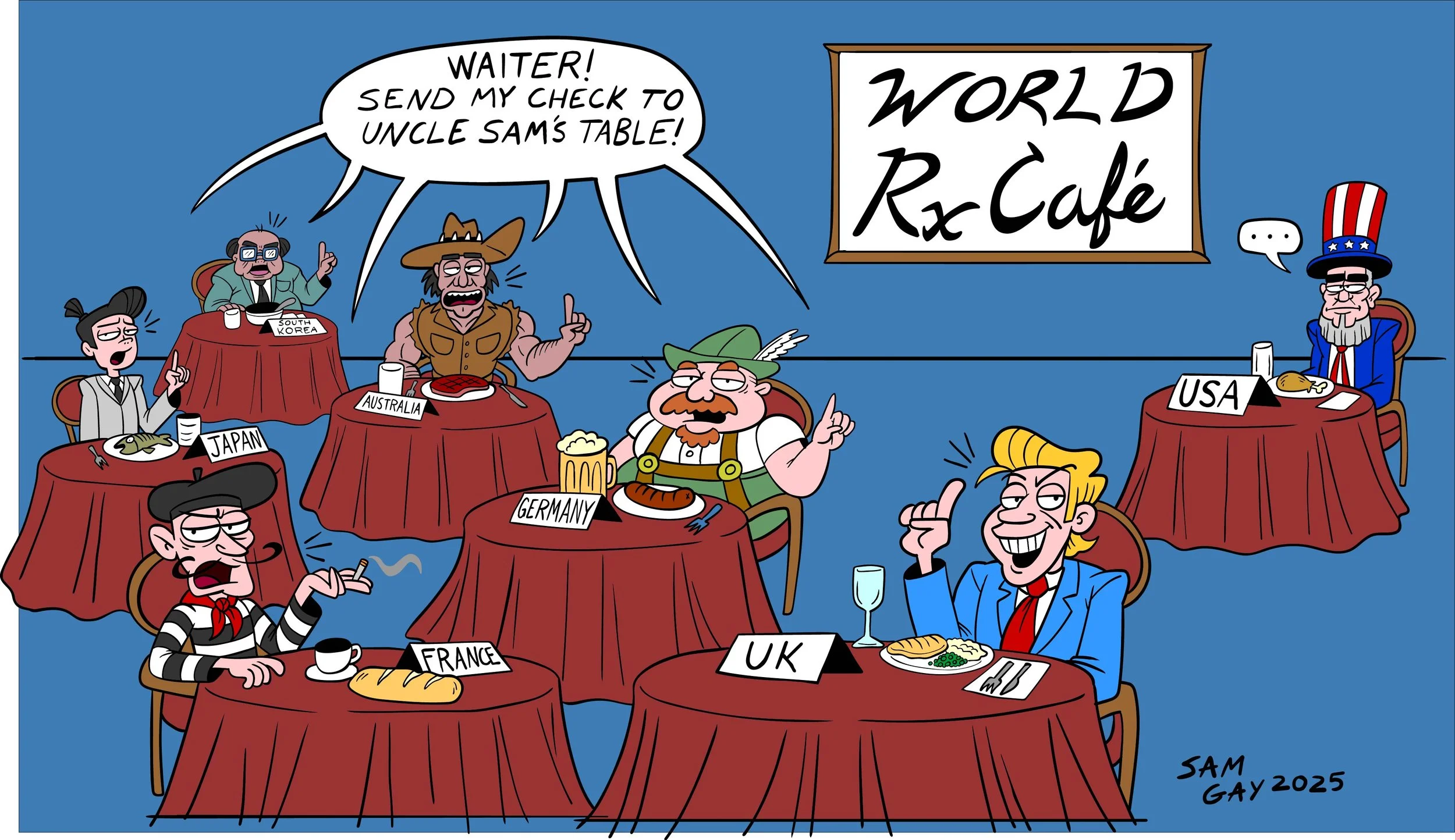
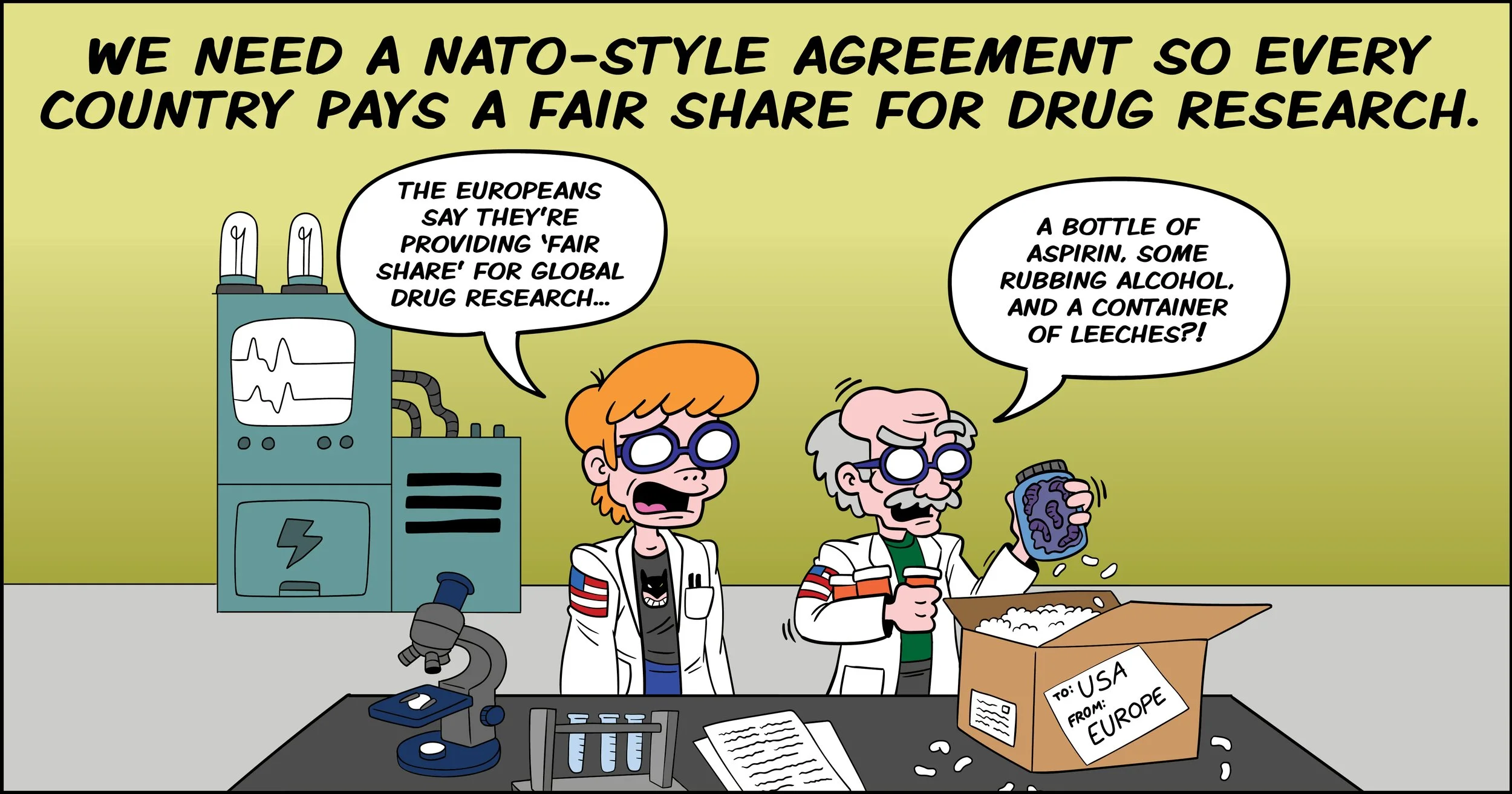
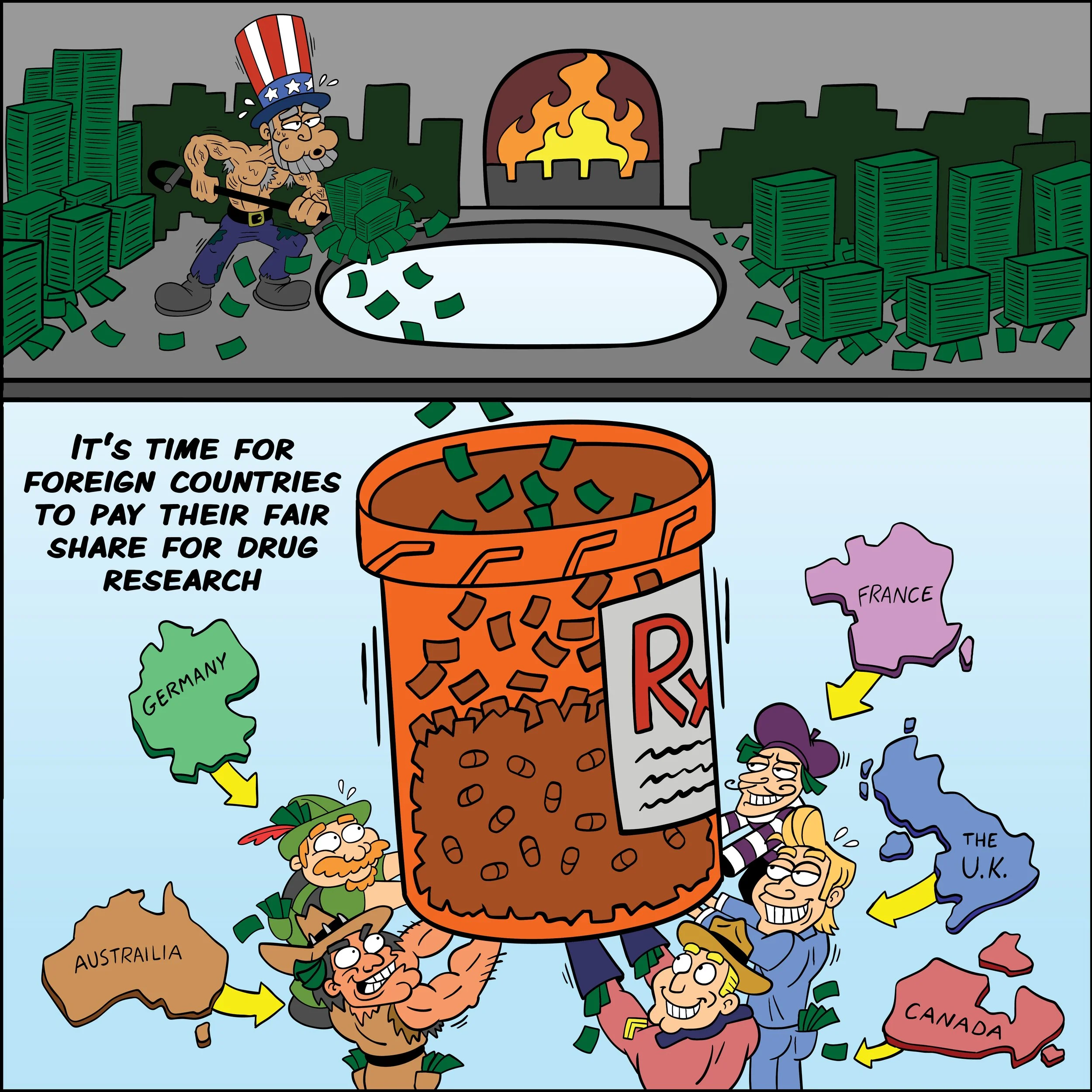
On a global scale, the United States has a bunch of freeloading friends when it comes to paying for prescription drugs: Canada, Germany, France, the U.K., and others. Foreign governments routinely enforce low drug prices in their countries, while expecting U.S. patients and taxpayers to underwrite the costs of research, development, and commercialization.
To have access to these big markets, drugmakers accept lower margins abroad and shift to the United States the burden of paying for innovation and bringing the drugs to market. This dynamic has long been called out as a “free ride” on American innovation efforts.
This is a structural distortion in the global pharmaceutical market, and unless U.S. policymakers respond smartly, the United States risks undercutting the very innovation that powers modern medicine.
The empirical link between pharmaceutical income and R&D investment is strong. Studies have found that countries imposing controls tend to see declines in drug approvals and reduced industry investment. If we let global price controls erode the margins that support R&D, we risk a future with fewer cures, greater disease burden, and more early deaths.
Some proposed reforms aim to tie U.S. drug prices to the prices paid in foreign countries—so-called “most-favored-nation” (MFN) or international reference pricing (IRP). While these approaches sound like they would level the playing field, they effectively import the very socialist pricing policies that embrace the freeloader logic. The problem is, if the United States were to adopt this logic, there would be no one left to freeload from. The result would be a severe suppression of patient access, R&D investment, and new cure development.
The real kicker is that imposing an MFN drug pricing policy would not even address the real drivers of the high drug costs that the president says he wants to bring down. Pharmaceutical industry middlemen and large health systems take advantage of federal drug discount programs without passing savings on to patients. This is where policymakers should focus their reform efforts to score a win for American patients.
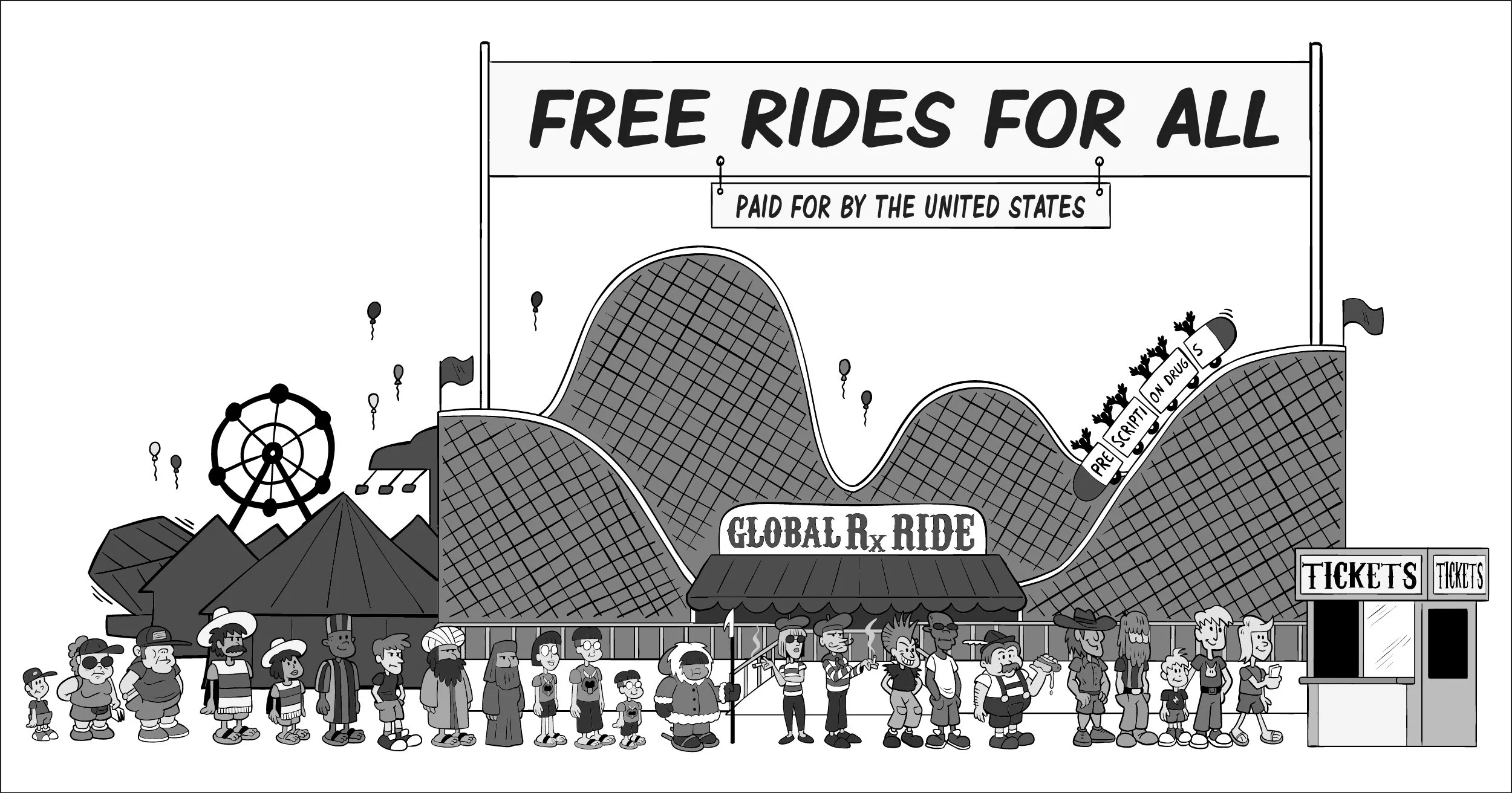
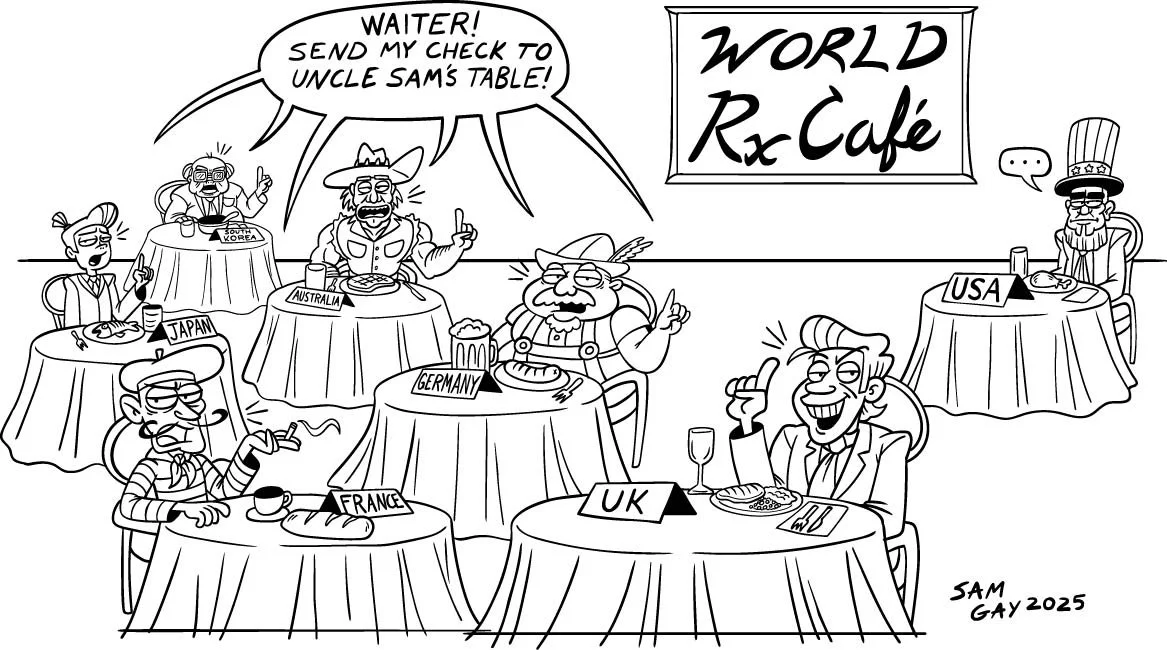
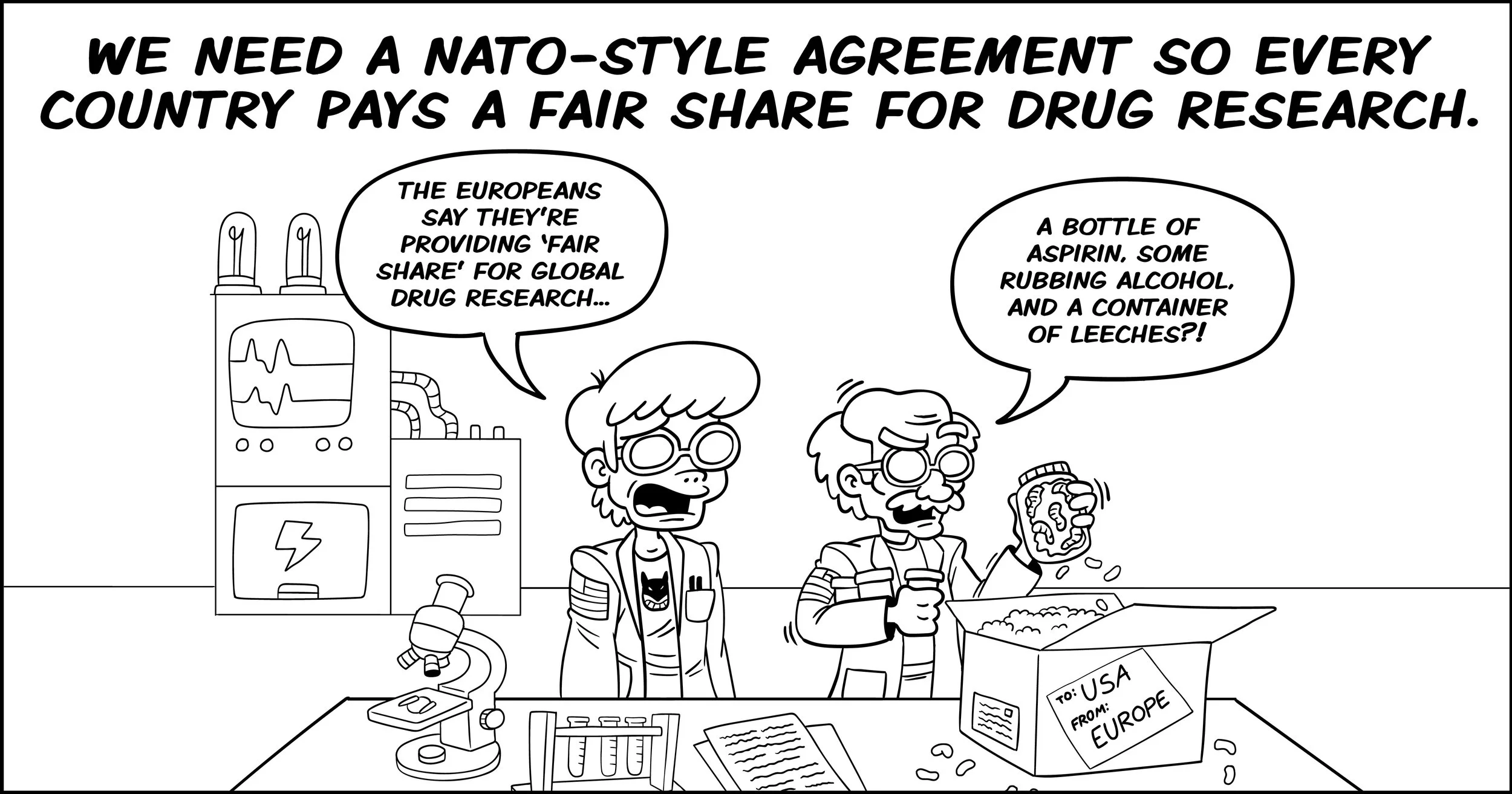
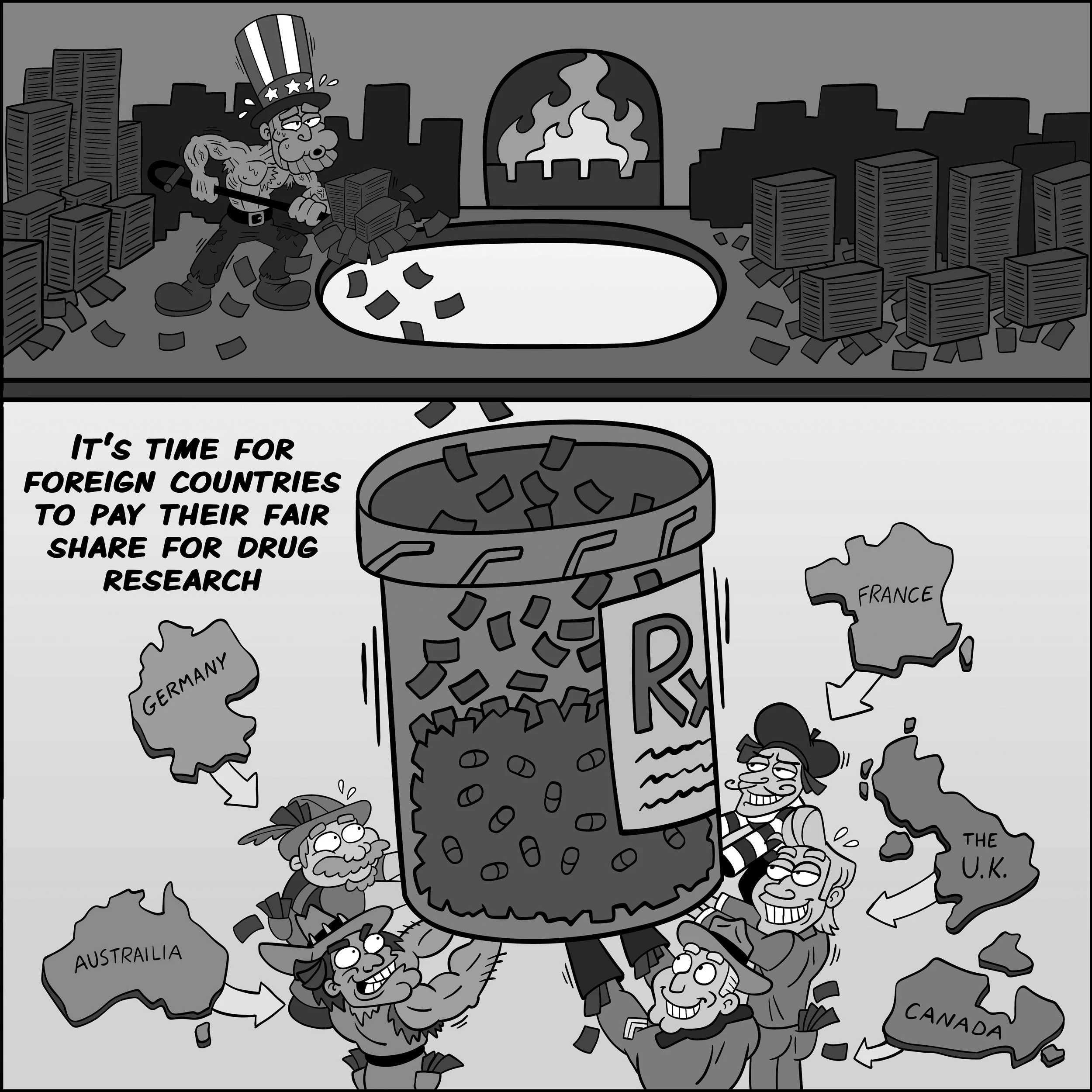
To enhance newspaper opinion pages, social media posts, and blogs, TAPP encourages the use of the editorial cartoons provided below.